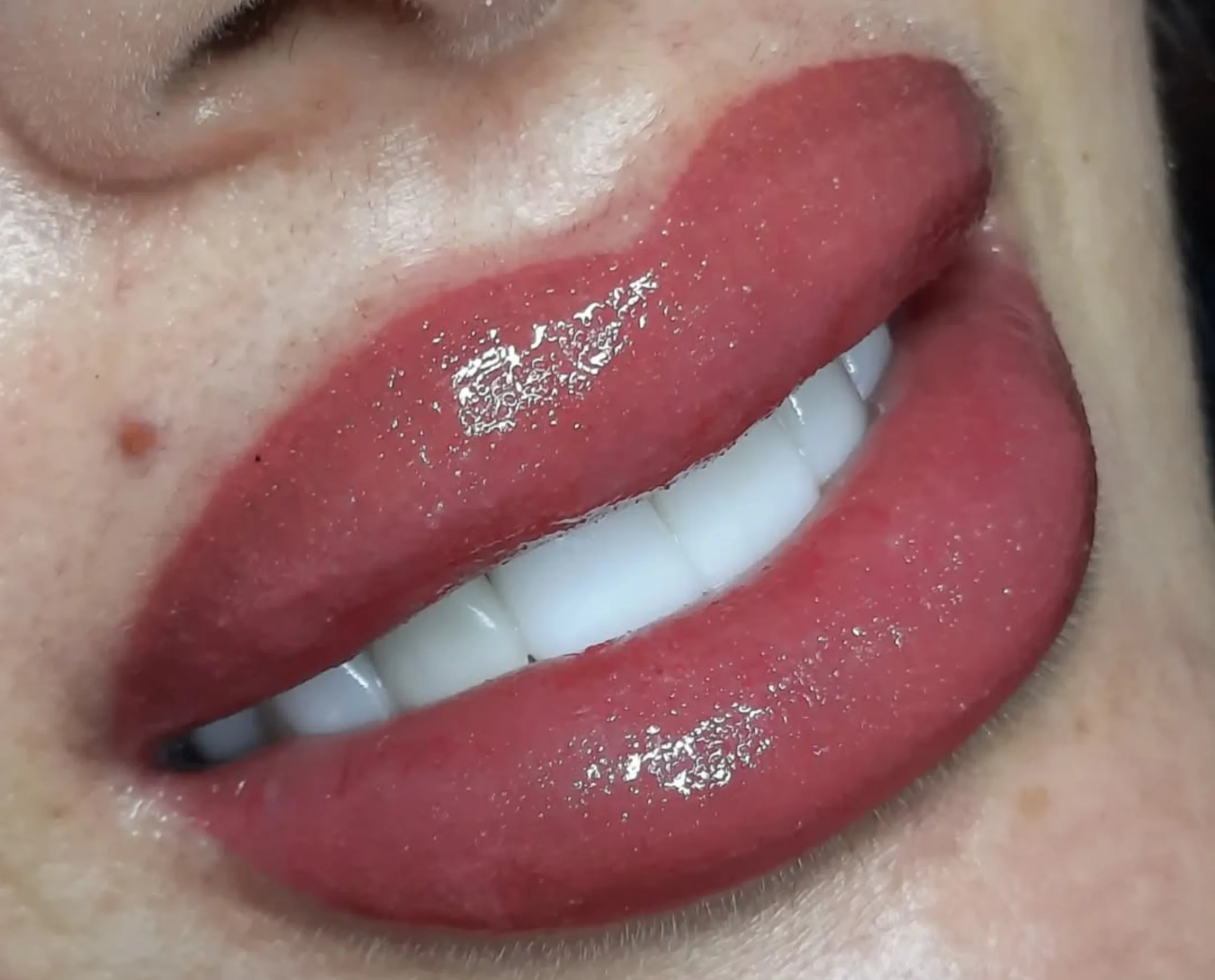
Let’s be real — getting your lips tattooed is not the same as popping into the salon for a quick tint or gloss. It’s a semi-permanent procedure that comes with its own healing curve, and yes, that includes swelling. One of the most common questions we get in the studio is, “How long will my lip be swollen after a lip tattoo?” And it’s a fair question. No one wants to walk around looking like they’ve been in a lip filler mishap longer than they have to.
If you’re booked in for lip blush tattooing or just doing your research, this blog has your back. We’re diving into everything from normal swelling timelines to what’s not normal, along with real aftercare tips, expert insights, and 2025 studio trend updates from the cosmetic tattoo world. We’ll also walk through how swelling fits into the broader lip tattoo healing process, including the ghosting stage, skin shedding, and pigment settling. Whether you’re searching for “lip blushing near me” or already booked for a lip blushing tattoo, this guide covers every step.
Contents
- 1 Why Your Lips React the Way They Do
- 2 The Typical Swelling Timeline: Day-by-Day Breakdown
- 3 Factors That Affect Healing Time
- 4 What You Can Do to Reduce Swelling
- 5 When Swelling Isn’t Normal
- 6 Healing Time Vs. Final Results
- 7 Real Studio Tips
- 8 Lip Tattoo Trends 2025
- 9 Final Word: Trust the Process, and Your Artist
- 10 FAQs
Why Your Lips React the Way They Do
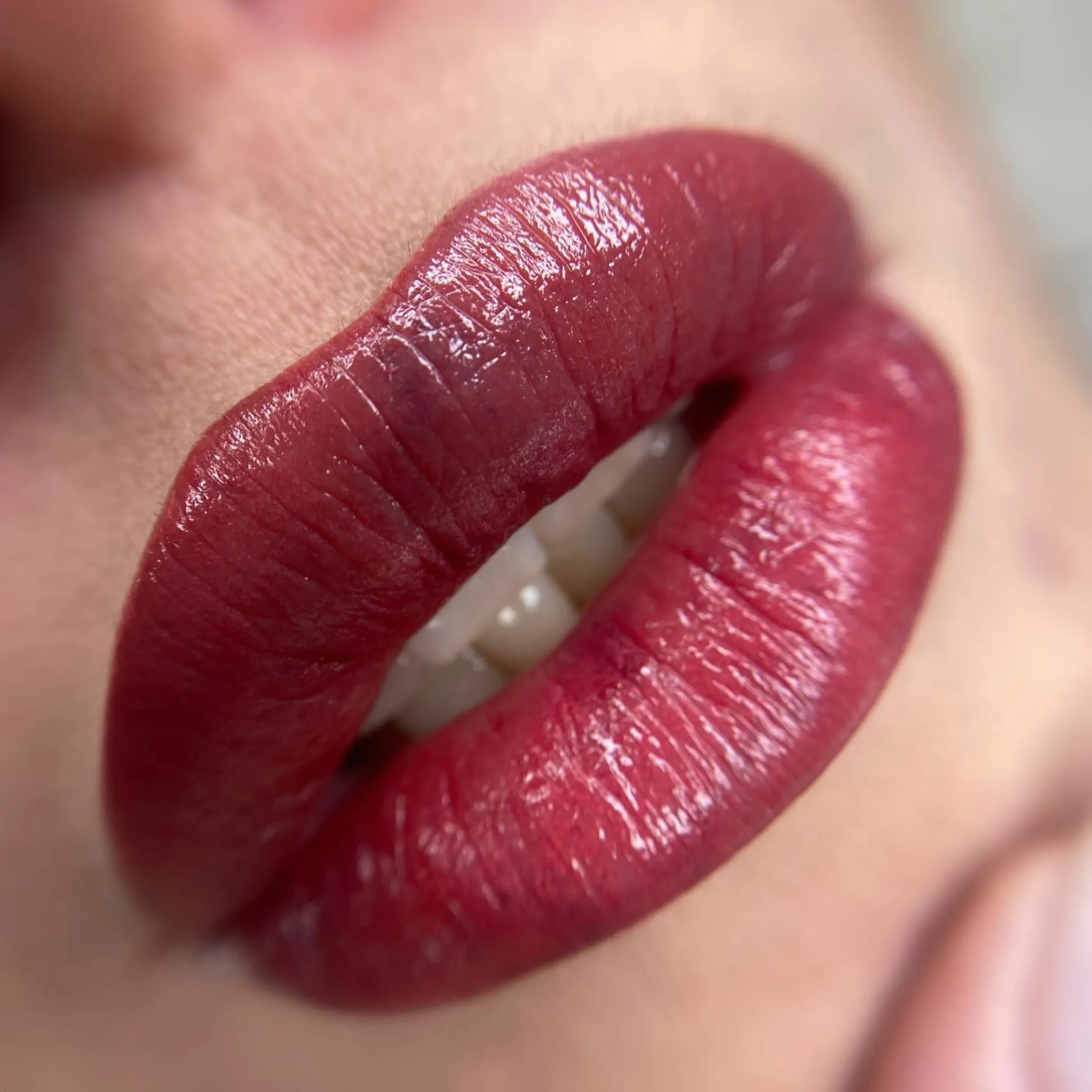
The skin on your lips is thin, vascular and super sensitive. So when we go in with a tattoo machine (even the fine ones we use for lip blush) your body sees it as a controlled injury. Cue: the inflammatory response.
Swelling is your body’s natural first-aid response. It’s trying to protect and heal the area, not punish you for wanting gorgeous tinted lips. Here’s what’s actually happening:
- The tattooing process stimulates blood flow and lymph activity
- Capillaries dilate and fluid moves into the tissue (swelling)
- Micro wounds form from the tattooing needle and begin repair
- The lip tissue becomes puffy and inflamed for a short window
- Immune cells kickstart healing
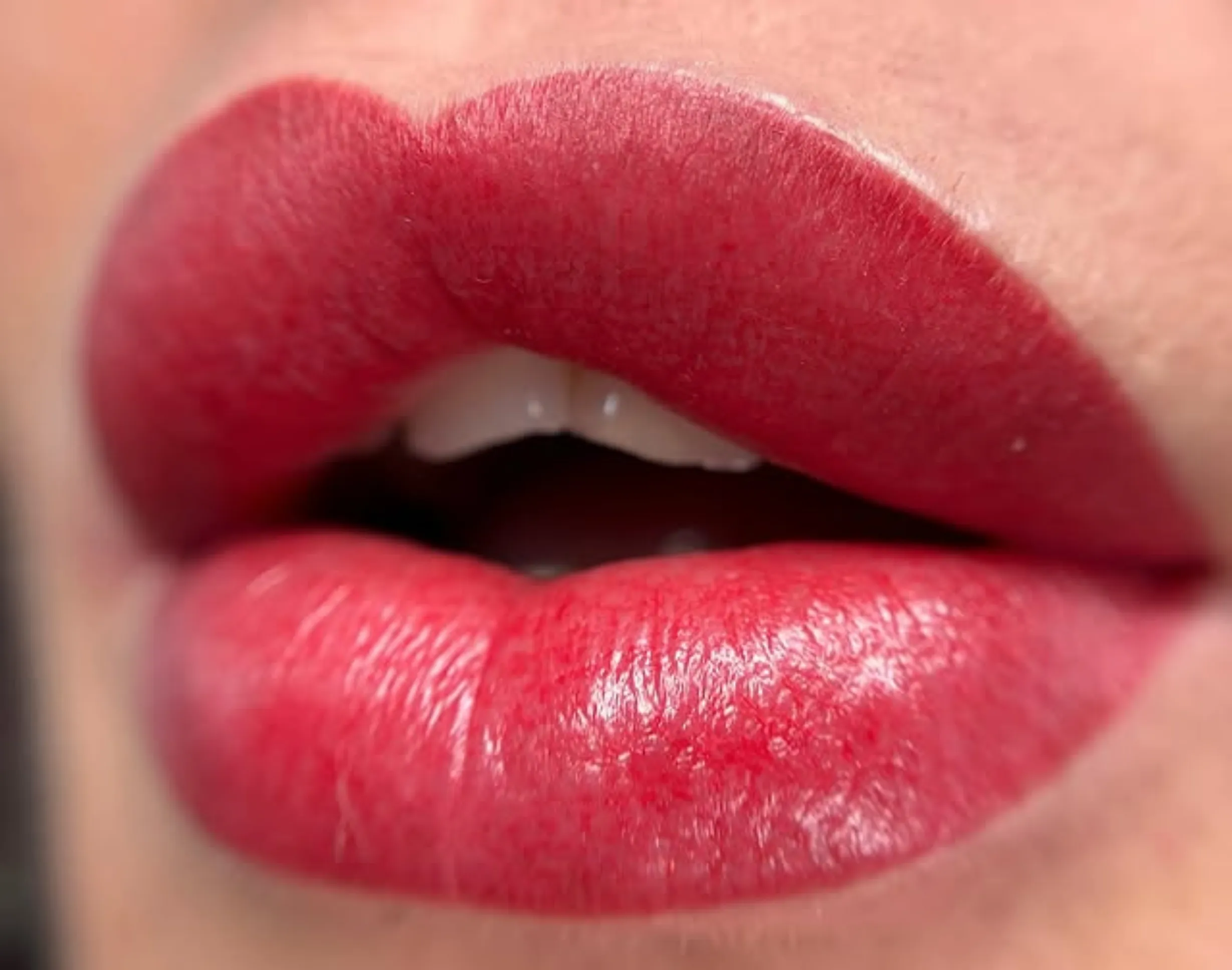
People with fairer skin types or more sensitive vascular responses (hello Fitzpatrick I-II) may notice more pronounced swelling. The same goes for those with recent lip filler, chapped lips or a history of cold sores.
The Typical Swelling Timeline: Day-by-Day Breakdown
| Day | What You Can Expect |
|---|---|
| Day 1 | Swelling peaks within 2–4 hours post-treatment. Lips may feel tight, hot, and puffy. Most clients say they feel “like I’ve had lip filler times two.” Colour may appear darker due to pigment saturation. |
| Day 2 | Swelling decreases but lips still appear fuller-looking. The lip colour looks intense and may appear uneven. Start applying your healing balm regularly. |
| Day 3 | The swelling mostly resolved. Lips begin to flake as part of the natural lip tattoo healing stage. |
| Day 4–5 | Flaking continues. Swelling gone. Lips may look dull or patchy as the pigment layer settles. This is part of the ghosting stage. |
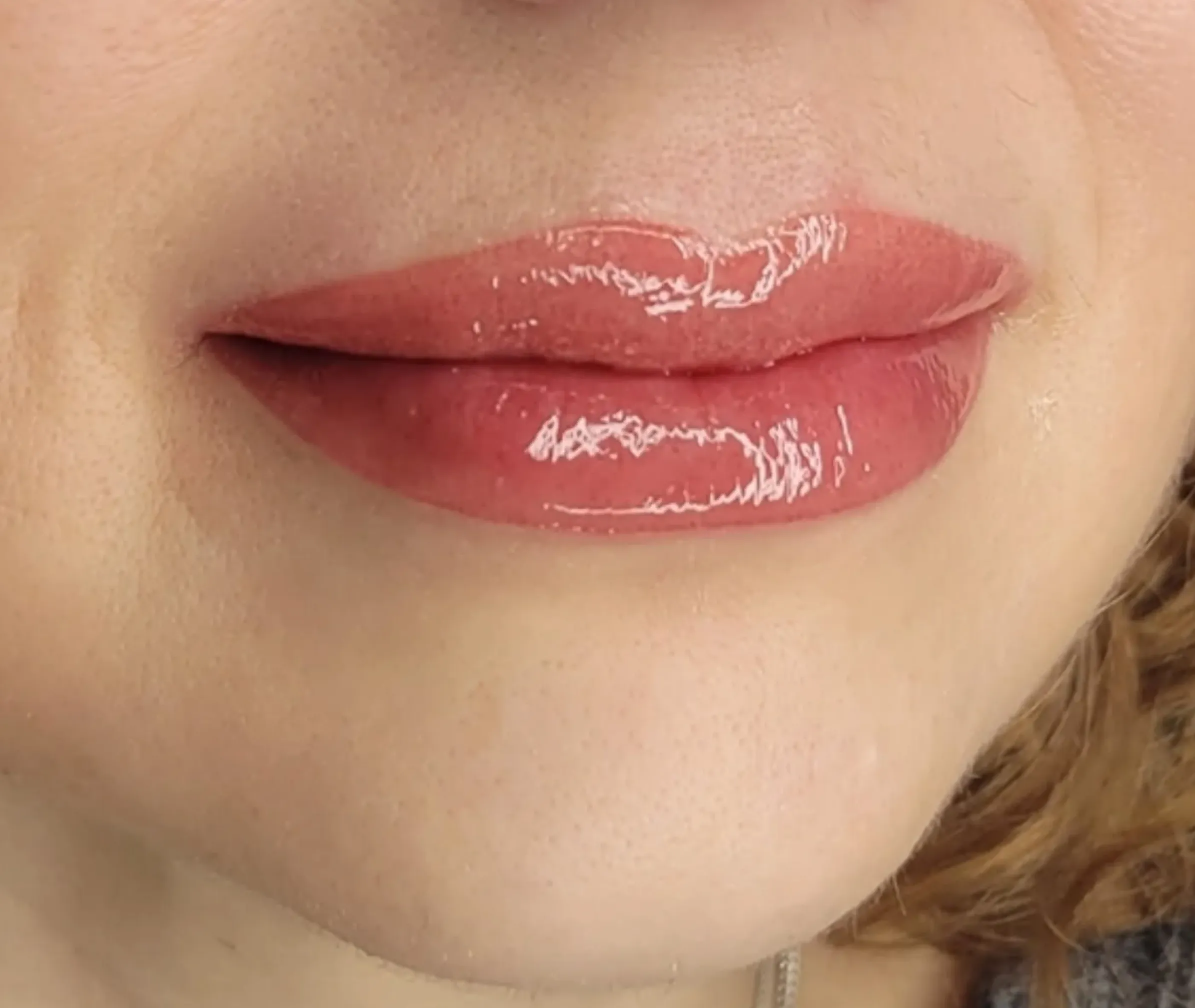
| Day 6–7 | Most swelling, flaking, and tightness should be completely gone. Colour starts to return as the lip pigment shade resurfaces. |
Note: If swelling persists past day 5 or worsens after day 3, check in with your tattoo artist or a GP to rule out infection, allergic reaction or healing complications.
Factors That Affect Healing Time
- Your Skin Type
Sensitive skin or lips that react to products may swell more and hold onto puffiness for longer. This can delay your healing time slightly. - Filler History
If you’ve had lip filler in the last 6 months, your lips may react differently to tattooing. Fillers can make the tissue more reactive. - Cold Sore History
Herpes simplex lives in many people. Tattooing can trigger a cold sore outbreak, which brings extra swelling and prolongs the healing stage. Antiviral medication is a must if you’re prone. - Menstrual Cycle
Just before or during your period, your body holds more fluid and is more sensitive to pain — which means puffier lips and slower healing. - Technique & Equipment Used
At Face Figurati Cosmetic Tattoo Studio in Melbourne, we use high-grade digital machines, quality coloured ink and precise cosmetic tattooing methods. This means less trauma to the skin, better pigment retention and faster swelling resolution. - Aftercare Routine
What you do in those first 48 hours matters. Using your healing balm or hydrating salve consistently, avoiding UV rays and following professional aftercare tips all impact your healing.
What You Can Do to Reduce Swelling
- Apply cold packs (gently) for 10 minutes at a time, wrapped in a clean cloth. Never apply ice directly to the skin.
- Elevate your head for the first night. Two pillows, please.
- Avoid salty, spicy or acidic foods that can irritate the lips and slow healing.
- No alcohol, vigorous exercise or hot environments (like saunas or steaming showers) for at least 48 hours.
- Use your healing balm or hydrating salve. This will help with dryness and prevent cracking.
- Avoid the sun. UV rays can affect pigment during the early healing stages.
If you want subtle results without fillers, a lip blush tattoo will define the lip line and give a natural finish.
When Swelling Isn’t Normal
Mild swelling is expected. But if things go weird, don’t tough it out. Here are the red flags:
- Pain that gets worse, not better
- Heat and redness spread around the mouth
- Pus or yellow discharge from the lip edges or outline
- Fever or chills
- Swelling that returns or gets worse after day 3
These could be infections, an allergic reaction or a cold sore flare-up. Call your artist or see your GP. Don’t go to Dr Google.
Healing Time Vs. Final Results
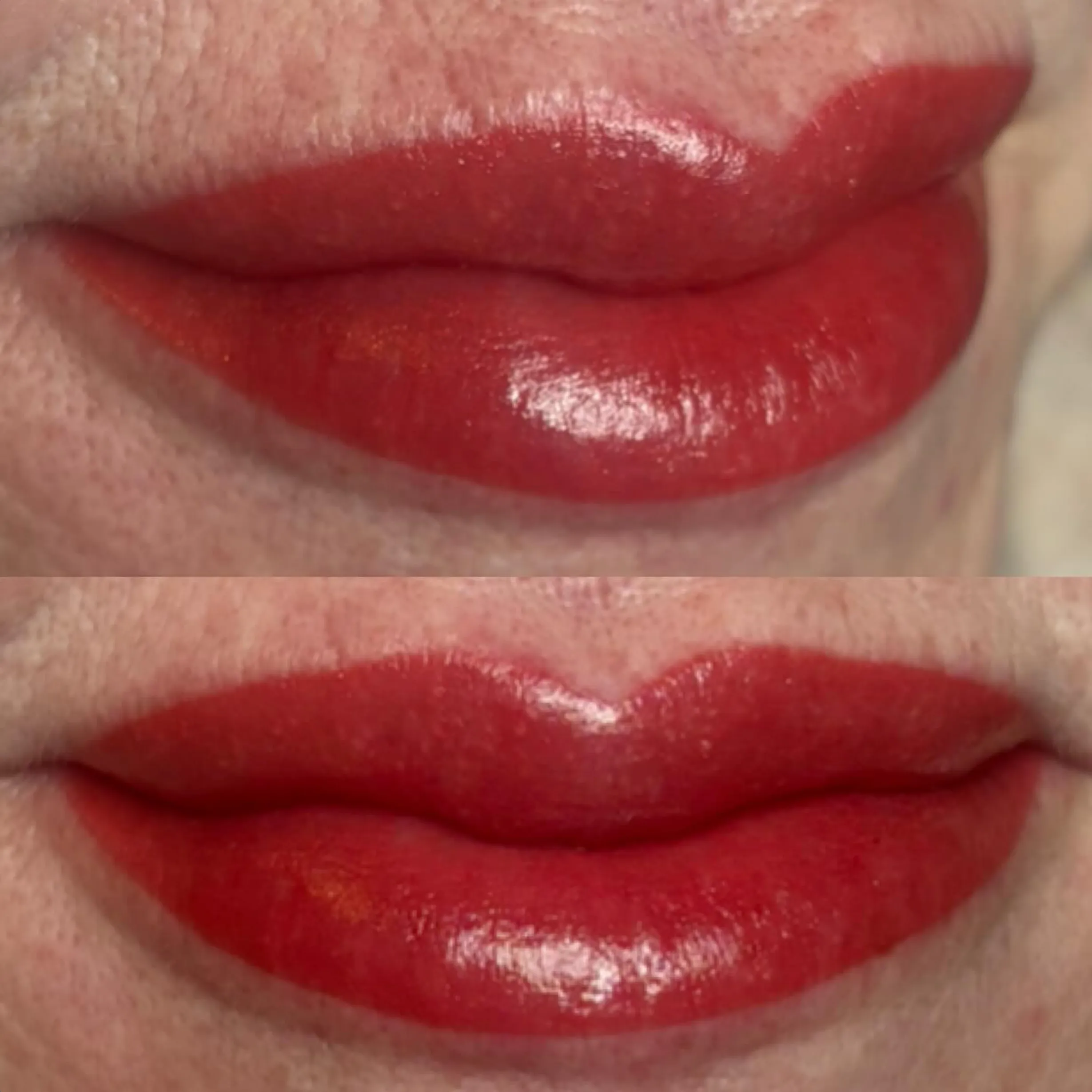
Here’s a myth to bust: just because the swelling is gone doesn’t mean your lips are fully healed. The outer layer might look good by week two but the deeper layers of skin are still stabilising the pigment.
True lip colour and shape will settle around the 4-6 week mark. That’s why we schedule your touch-up appointment after 6 weeks, not before. This allows us to assess pigment saturation, refine the lip line and boost areas that have faded. A well-done lip blushing tattoo creates fuller-looking lips without harsh makeup lines.
Real Studio Tips
We’ve done hundreds of lips and here are a few gems our clients swear by during their lip blush healing process:
- Avoid hot drinks with straws — the suction can disrupt healing.
- Take some antihistamines (non-drowsy ones) if your artist okays it, especially if you bruise or swell easily.
- Don’t book your lip blush procedure before big events like weddings or photo shoots. Give yourself at least 2 weeks.
- Don’t wear lip gloss or lipstick during the first week. Stick to your aftercare balm.
- Be gentle with lip movements and don’t stretch your lips too much in early healing.
Planning your lip blush in Melbourne? Make sure you leave some downtime in your schedule especially if you’re looking for natural results.
Lip Tattoo Trends 2025
The 2025 trend reports are in and it’s good news if you like soft, natural looks. At our Melbourne studio, we’re seeing a big move away from heavy, full lip tattoos towards:
- Watercolour lips: soft, airy pigment blends with no harsh lines
- Lip neutralisation: colour correction for darker or cool-toned lips
- Subtle tints that look like your natural lip colour, only better
- Semi-permanent lined lips for a crisp lip line that doesn’t smudge
These modern treatments cause less swelling as the pigment is deposited more superficially with finer tattooing needles and improved appointment process protocols. If you’re looking for lip blushing near me make sure your chosen artist is trained in these updated techniques.
Final Word: Trust the Process, and Your Artist
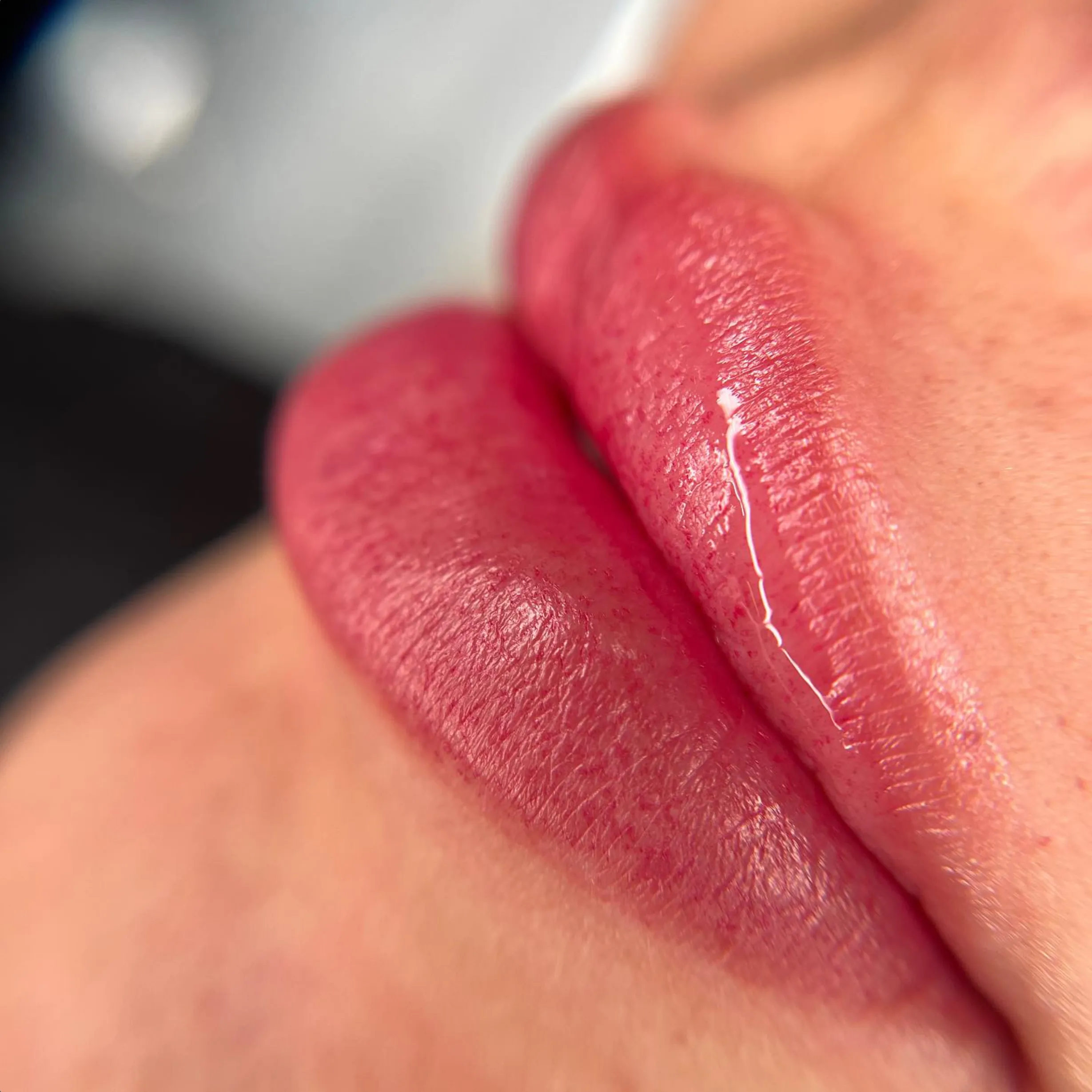
Swelling is a normal, temporary part of the lip tattoo process. While it might feel a bit dramatic in the moment it usually subsides fast and is rarely a sign of anything serious. The best way to manage it? Prep well, follow your aftercare and work with an experienced, qualified cosmetic tattoo artist.
FAQs
How long will my lips be swollen after tattooing?
Most swelling resolves within 2–4 days. Significant puffiness usually peaks within the first 24 hours and fades quickly with good aftercare.
Can I take antihistamines before my appointment?
Yes, in many cases a non-drowsy antihistamine can help reduce swelling. Always check with your artist or pharmacist first.
Will I get a cold sore after lip blush tattooing?
If you have a history of cold sores there is a risk. We recommend taking antiviral medication 2 days before and after your appointment.
Does swelling affect the final shape or colour?
Not usually. Swelling might make lips look bigger temporarily but once it subsides the true shape and pigment saturation settles in over a few weeks.
What if my swelling gets worse on day 3?
That’s not typical. Get in touch with your tattoo artist or healthcare provider to rule out infection, allergic reaction or reactivation of cold sores.