If you’ve been researching training and wondering how many models do i need for a microblading course, you’re definitely not alone – it’s probably one of the first things people ask us when they come to the studio.
In this article, Uliana Kasperska fills you in on what you actually need to know – including how many live models are really enough to build confidence, what reputable trainers in Brisbane expect, and how hands-on cosmetic tattoo procedures end up shaping your future brow work.
We want you to feel like you know what you’re getting into, you’re not being completely unrealistic, and you’re actually excited about microblading training places – not caught out halfway through.
In our Brisbane studio, we’ve seen artists come in a bit shaky and leave with really confident-looking strokes – and the number of live models they get to practise on has made all the difference.
Often, students start out training in microblading alongside other beauty pathways like teeth whitening or a laser hair removal courses, but the hands-on work on real brows is what gives them real confidence.
Contents
- 1 The Number Of Live Procedures You Really Need
- 2 Why Practical Brow Work Matters More Than Theory
- 3 What To Expect From Your Hands-On Training
- 4 Are Practice Skins Enough For Training?
- 5 What We Assess During Live Work
- 6 Safety, Hygiene & Why Model Selection Matters
- 7 Common Mistakes
- 8 How To Prepare Clients for Training Sessions
- 9 Final Words — Ready to Train?
- 10 FAQ
The Number Of Live Procedures You Really Need
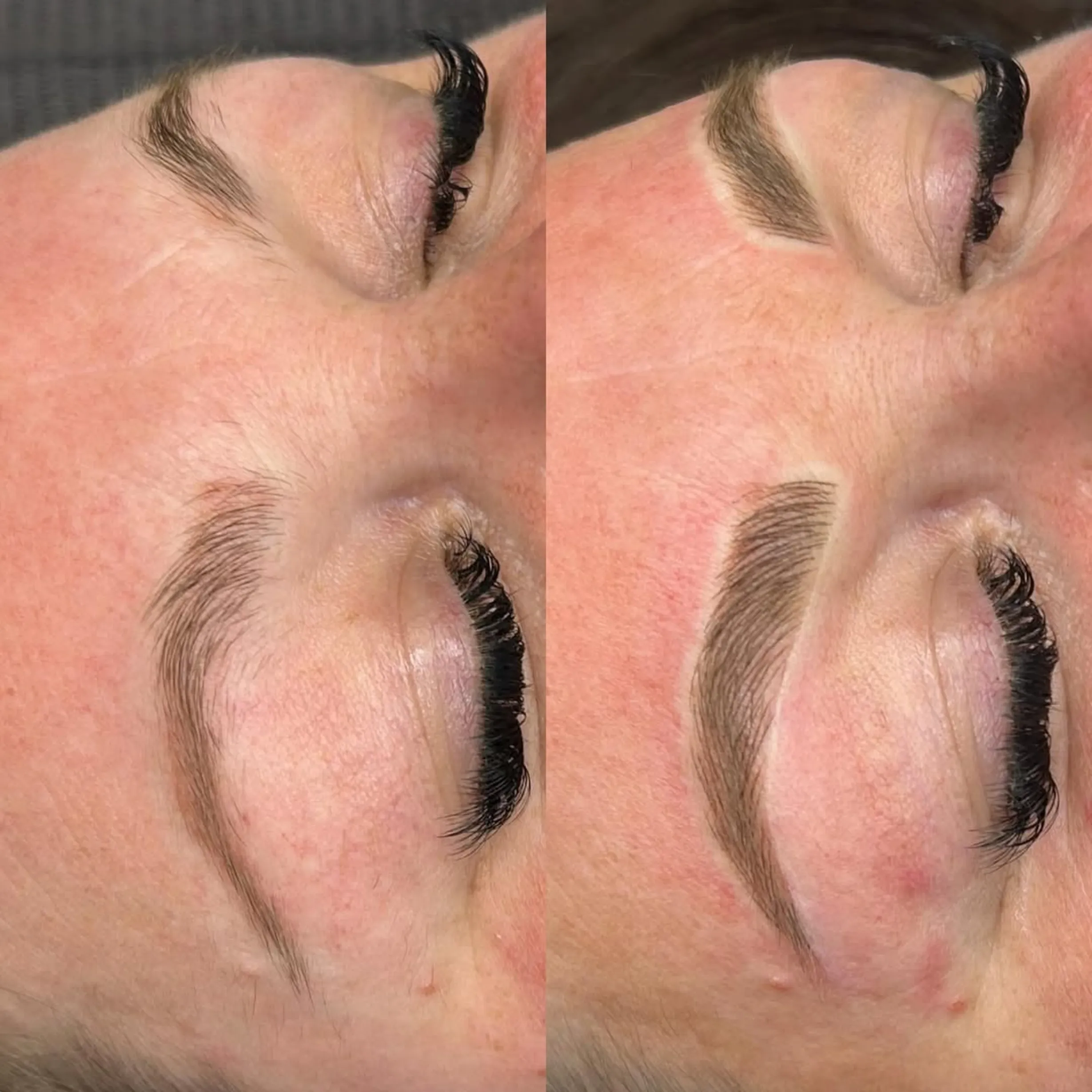
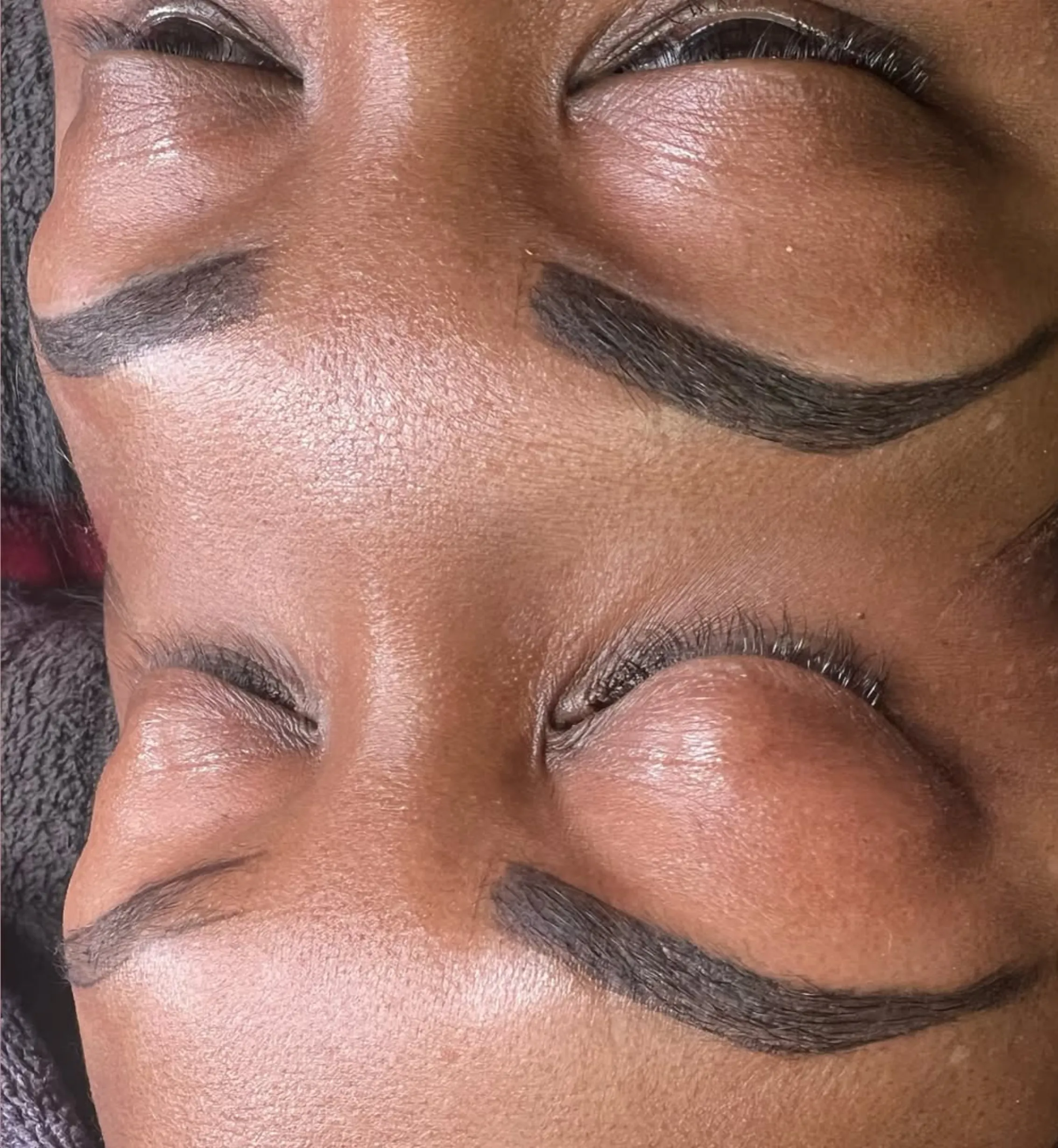
Here’s the straight-up answer: most top-quality microblading courses in Australia require around 2–4 live models, while more advanced programs often recommend 6–8 models to really lock in technique.
This is why most professional microblading training places such a strong emphasis on supervised model practice — there is no substitute for working on real skin.
In Brisbane’s humid climate, we also see plenty of combination and oily skin types, so at least one model should ideally fit that category. It helps you understand how to adapt your approach for different skin behaviours.
Across the industry, based on general data from major Australian academies, over 70% of certified microblading courses include approximately 3–5 supervised model procedures (data referenced from 2025–2026).
Why Practical Brow Work Matters More Than Theory
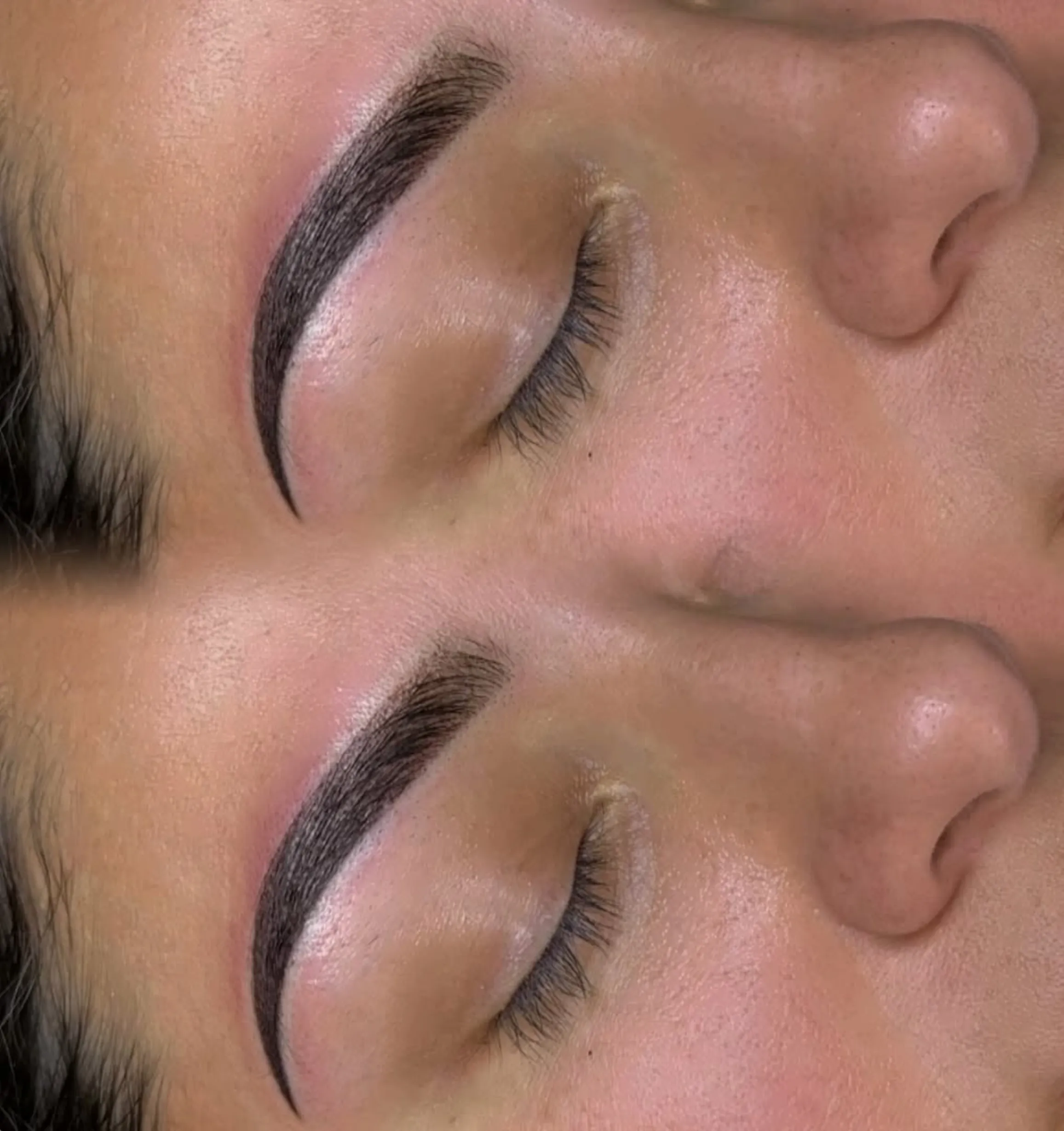
Hands-on experience is where everything starts to click.
You can study training manuals, practise microblading techniques on latex, or work with digital and manual tools — but nothing compares to treating a live model with unique skin, brow patterns, and movement.
This is the gap that separates serious artists from hobbyists — something we see when comparing cosmetic tattooing to more theoretical units like laser hair removal training.
Working on live models gives you:
- Real-world feel for pressure control and decision-making
- Exposure to different skin types and anatomy
- Hands-on experience with brow correction
- Practical use of microfeathering tools
- A true understanding of pigment behaviour and colour theory
- Confidence to troubleshoot in real time
We see it every training cycle — the moment a student completes their first live model, their posture relaxes, grip steadies, and their whole microblading technique lifts.
What To Expect From Your Hands-On Training
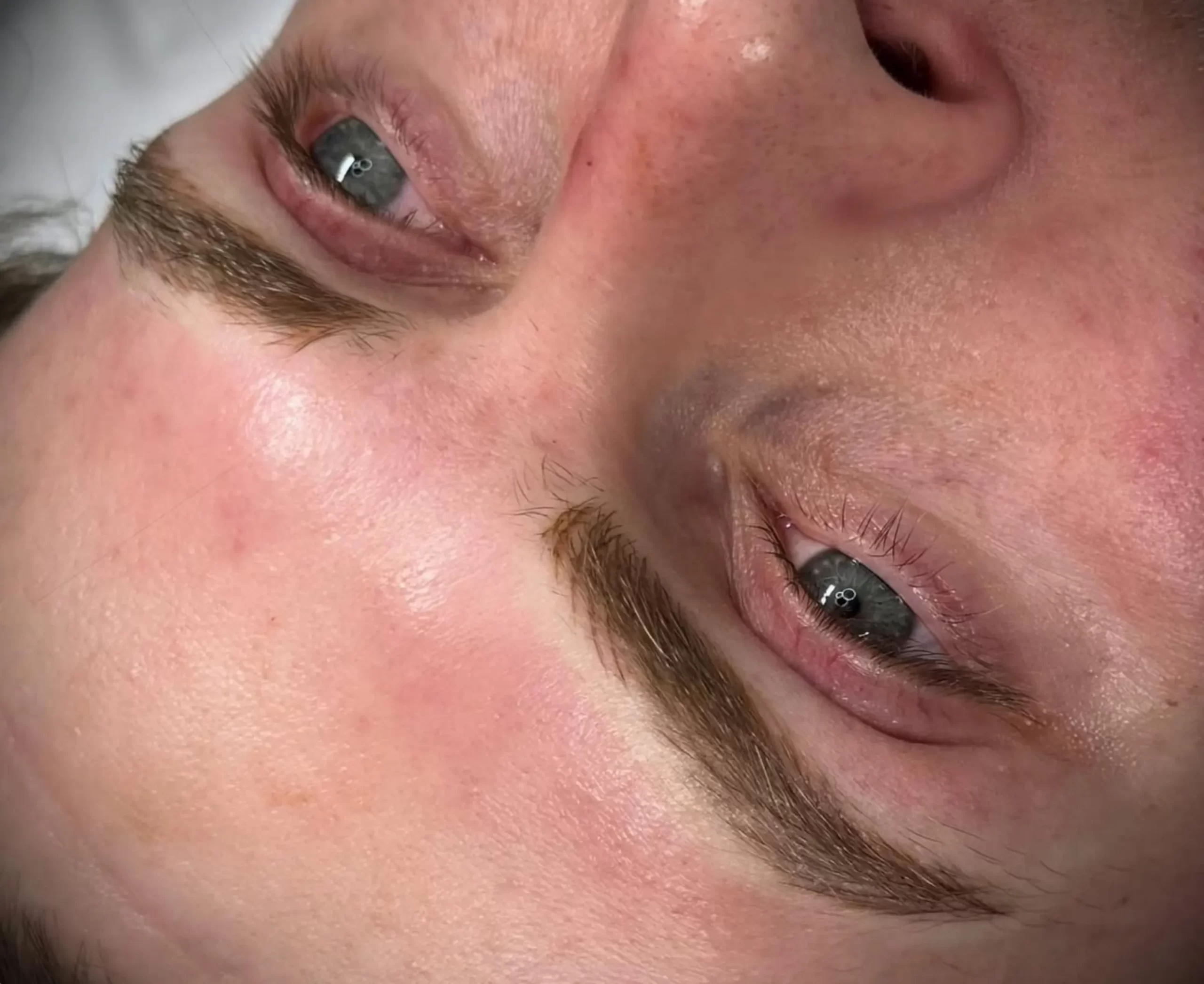
While every training provider structures things differently, most Brisbane and Australian programs follow a similar progression:
- Model 1: First supervised procedure — mapping basics, golden ratio, pressure control
- Model 2: Increased independence — focusing on stroke flow and depth consistency
- Model 3: Challenging skin type — learning troubleshooting techniques
- Model 4+: Advanced work for artists moving deeper into cosmetic tattooing
To make this clearer, here’s how typical requirements look:
| Course Type | Supervised Models | Independent Models | Skin Types Covered | Duration |
|---|---|---|---|---|
| Beginner Microblading Certificate | 2–3 | 1 optional | Normal & combination | 2–4 days |
| Intermediate / Hybrid Brow Course | 3–4 | 1–2 | Oily, mature | 3–5 days |
| Advanced Brow Artistry | 4–6 | 2+ | Full Fitzpatrick range | 4–8 days |
This level of model work is far beyond short, non-invasive beauty add-ons like teeth whitening training. Brows require nuance — every model teaches you something new.
Are Practice Skins Enough For Training?
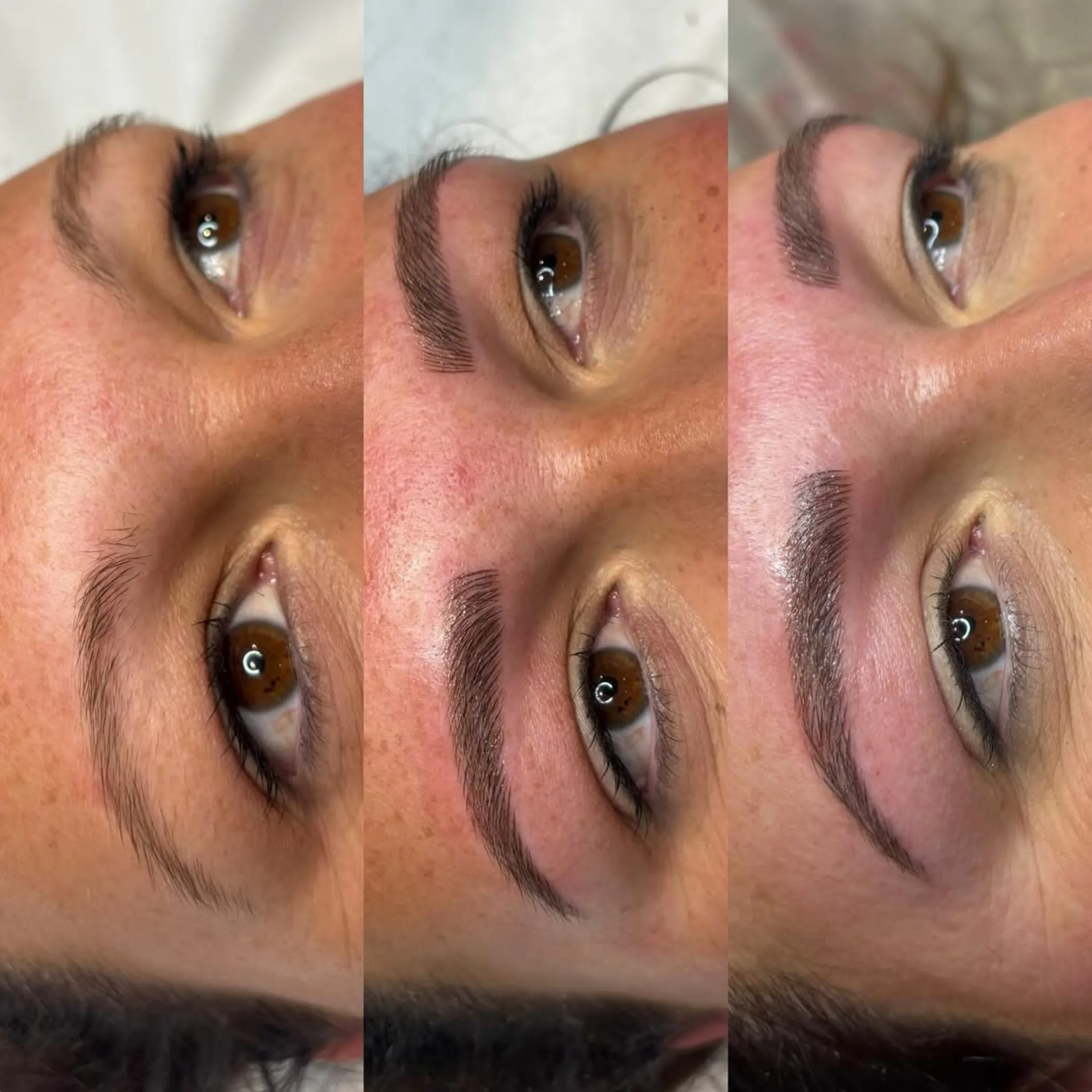
Short answer: they help, but they’re not enough on their own.
Practice skins and latex mats are useful for learning:
- Wrist stability
- Stroke consistency
- Basic depth control
- Skin simulation techniques
- Getting through early practice hours
But they can’t replicate:
- Real pore structure
- Actual skin elasticity
- Sweat levels (especially in Brisbane)
- Live client reactions and communication
Students coming from a laser hair removal course background often expect predictable skin behaviour — brows don’t work like that. That unpredictability is why live models matter.
We always say: “Latex teaches technique, but live models teach confidence.”
What We Assess During Live Work
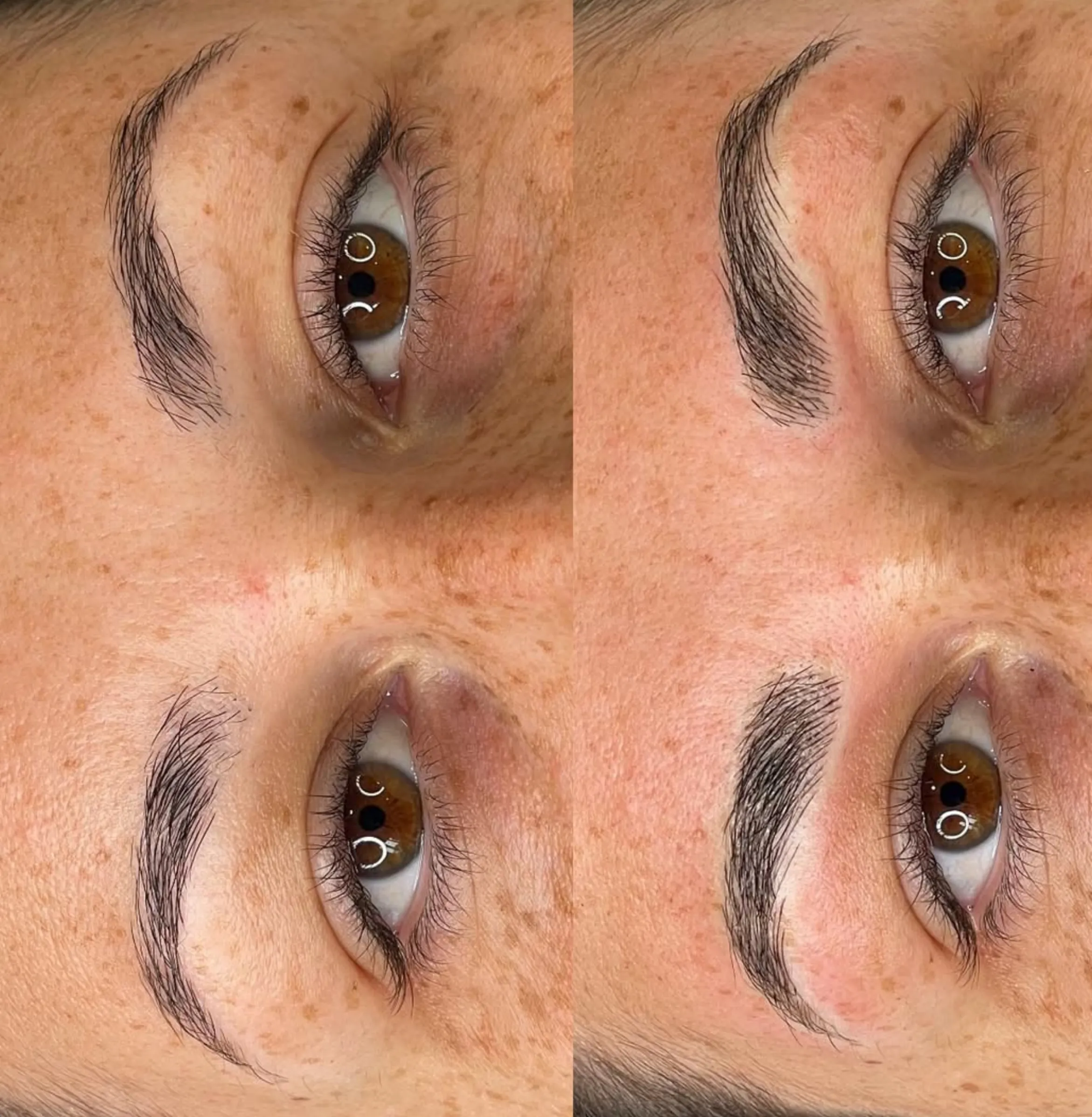
During supervised model sessions in microblading training, we assess:
- Brow mapping accuracy
- Alignment with the golden ratio
- Correct pigment implantation
- Pressure control
- Real-time stroke correction
- Adapting technique based on skin response
Even students with experience in other beauty certificates — peels, tinting, or laser hair removal — feel nervous with their first live cosmetic tattoo model.
That uncertainty fades quickly with proper supervision and enough hands-on model work.
Safety, Hygiene & Why Model Selection Matters
Microblading isn’t like doing a short beauty course – selecting the right model is part of learning how to safely perform cosmetic tattoos.
You’ll learn how to pre-screen models to make sure they’re safe to work with:
- To check if they’re taking any medications that might affect healing
- To identify any skin conditions that might make treatment difficult
- To see if they have any unrealistic expectations about how their brows will look
- To check if they have any previous eyebrow tattoo work that could affect the outcome
Students transitioning from teeth whitening training or laser hair removal often say this level of scrutiny is completely new — cosmetic tattooing requires a far deeper level of responsibility.
Common Mistakes
Over the years, we’ve seen the same issues pop up again and again:
- Only working with friends who have “easy” brows
You need experience with all kinds of brows, not just the simple ones. - Avoiding tricky cases
If you don’t challenge yourself, your skills won’t grow. - Rushing bookings
You need time to reflect, review, and improve after each model. - Skipping homework
Those practice skins are more valuable than most people realise. - Thinking microblading is like other beauty services
It’s far more complex than a lash lift or even laser hair removal — precision is everything.
How To Prepare Clients for Training Sessions
Here’s the preparation guide we use at our Brisbane studio:
Things To Avoid Before the Session:
- A large coffee on the day (calmer skin = better results)
- Alcohol the night before
- Active skincare products or heavy face creams
- Gym workouts beforehand (skin should be relaxed, not inflamed)
What You Should Arrive With:
- Clean skin
- A bare face (no sunscreen, no brow makeup)
- Enough time to listen to aftercare instructions
Good preparation makes a massive difference — strokes are smoother and corrections are easier.
Final Words — Ready to Train?
Take a breath — training is a big step, and understanding the basics beforehand helps calm those nerves.
Whether you’re just starting out or adding to an existing beauty career (such as teeth whitening or laser hair removal), working with live models is what truly builds confidence.
If you want personalised advice on model selection or guidance on choosing the right training pathway, the team at Cosmetic Tattoo Studio Brisbane Face Figurati is here to support you every step of the way.
FAQ
Do all microblading courses require live models?
Yes. Any reputable course includes live model work — it’s essential for real skill development.
Can fake skins count as live models?
No. Fake skins are for technique practice only. Real decision-making requires real people.
I come from nails or lashes — will I be fine?
It’s a good starting point, but microblading is far more technical and hands-on.
Do all models need touch-ups?
Most do. Touch-ups help you assess healing and refine your work.
Can someone with laser hair removal experience move into microblading?
Yes, but not directly. Many artists combine laser hair removal and microblading after completing proper training in both.