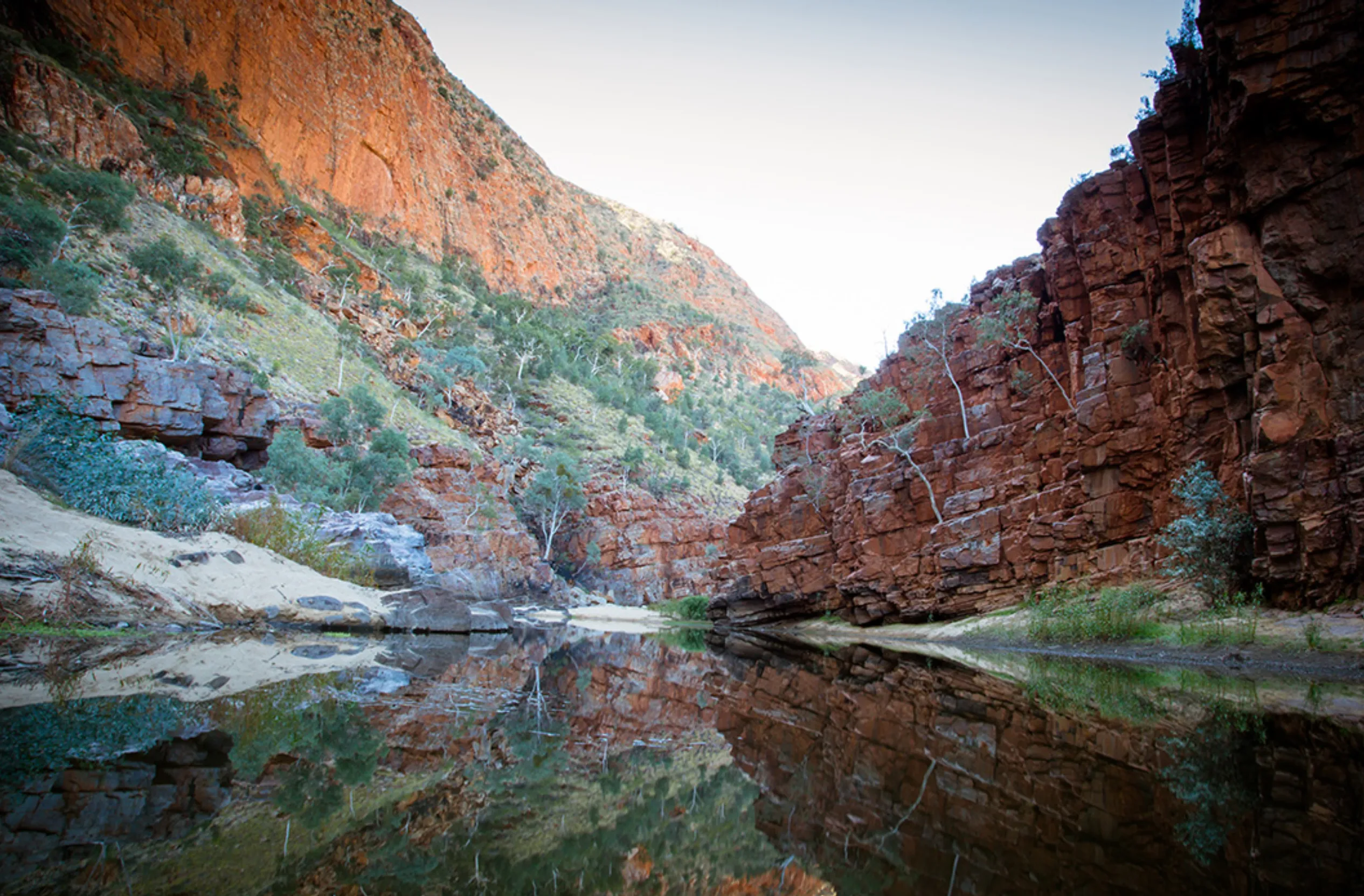
How to find hidden waterholes near Alice Springs without a guide – the Secret is Not Tricks or Magic, but Knowledge & Smarts – it’s about making sense of how water behaves in the Red Centre and adjusting your whole mindset to that. In Central Australia, the perfect swims are usually just a bit out of easy reach, so the crowds don’t show up, and if you know when and where to look, you can have a proper adventure swim without booking a guide. I’ve done this for years, wandering the backroads and walking trails of the MacDonnell Ranges, often using the same spots that we recommend to our tour clients who want a bit more than just a snap at a bus stop.
I’m Paul Beames, and after decades of roaming the Northern Territory, I’ve learned that water here likes to be treated with patience, planning and respect, not just a load of hype.
Contents
- 1 Figuring Out What The Red Centre Does With Water
- 2 Being A Land Reader, Not A Screen Chaser
- 3 Using Famous Places as Starting Points, Not Endpoints
- 4 Timing Is Everything in Central Australia
- 5 The Seasonal Scorecard
- 6 Maps Still Matter An awful lot more than Apps
- 7 Cultural Respect Is An Essential Part Of Route Planning
- 8 What I Actually Carry On a Waterhole Walk
- 9 How Distance Filters Crowds Better Than Secrecy
- 10 Reading the Weather Before It Becomes a Big Problem
- 11 When Solo Exploring Adds Up
- 12 Why I’m Still a Fan of Doing It This Way
- 13 The Takeaway After All These Years On These Tracks
- 14 FAQ
- 14.1 Is Swimming In Outback Waterholes Safe near Alice Springs?
- 14.2 Do You Need a Four-Wheel Drive To Get To These Places?
- 14.3 Are Crocodiles A Risk In Central Australia?
- 14.4 When Is The Best Time of Day To Go Looking For Water?
- 14.5 Can Waterhole Walks Be Combined With Other Alice Springs Highlights?
Figuring Out What The Red Centre Does With Water
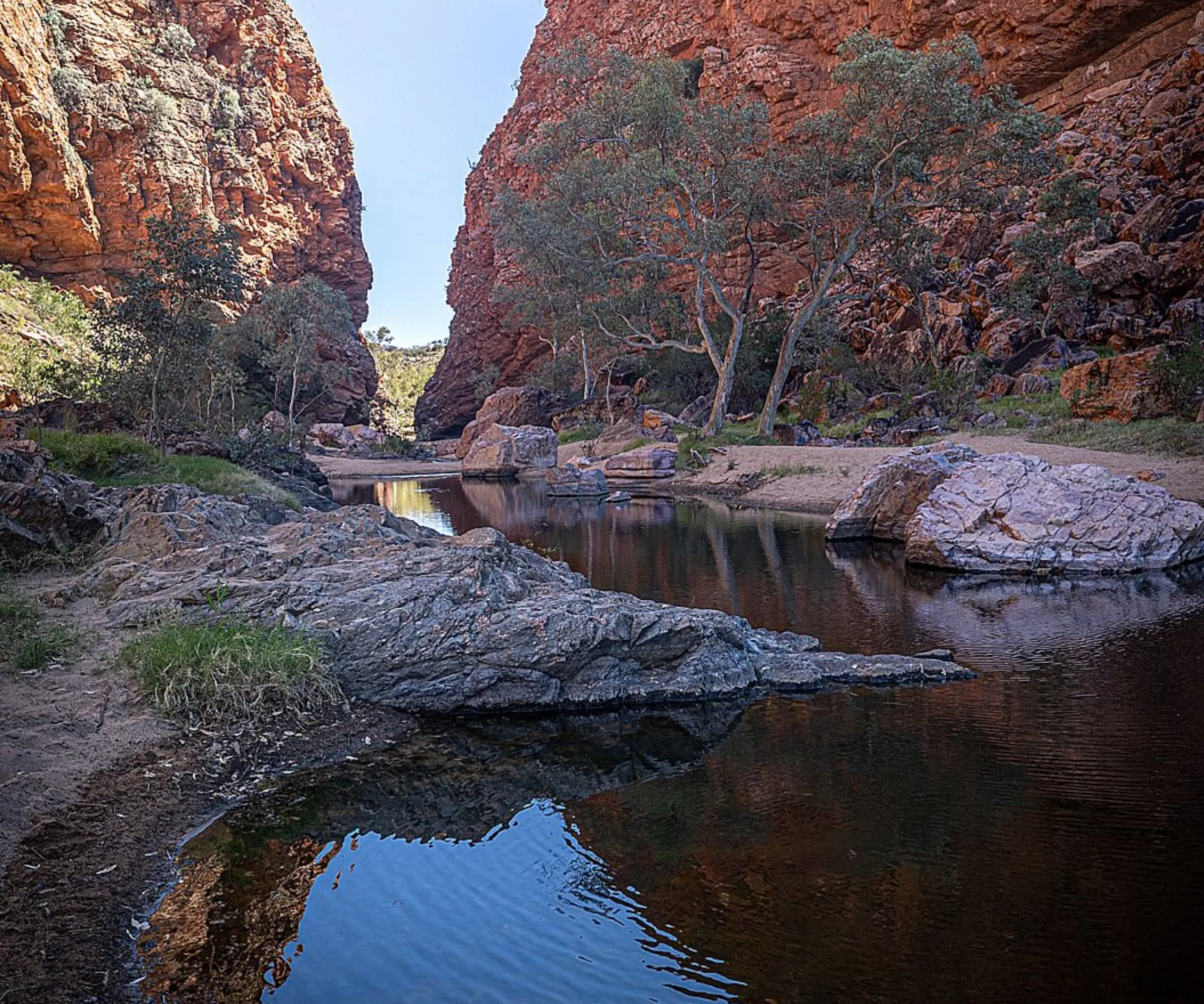
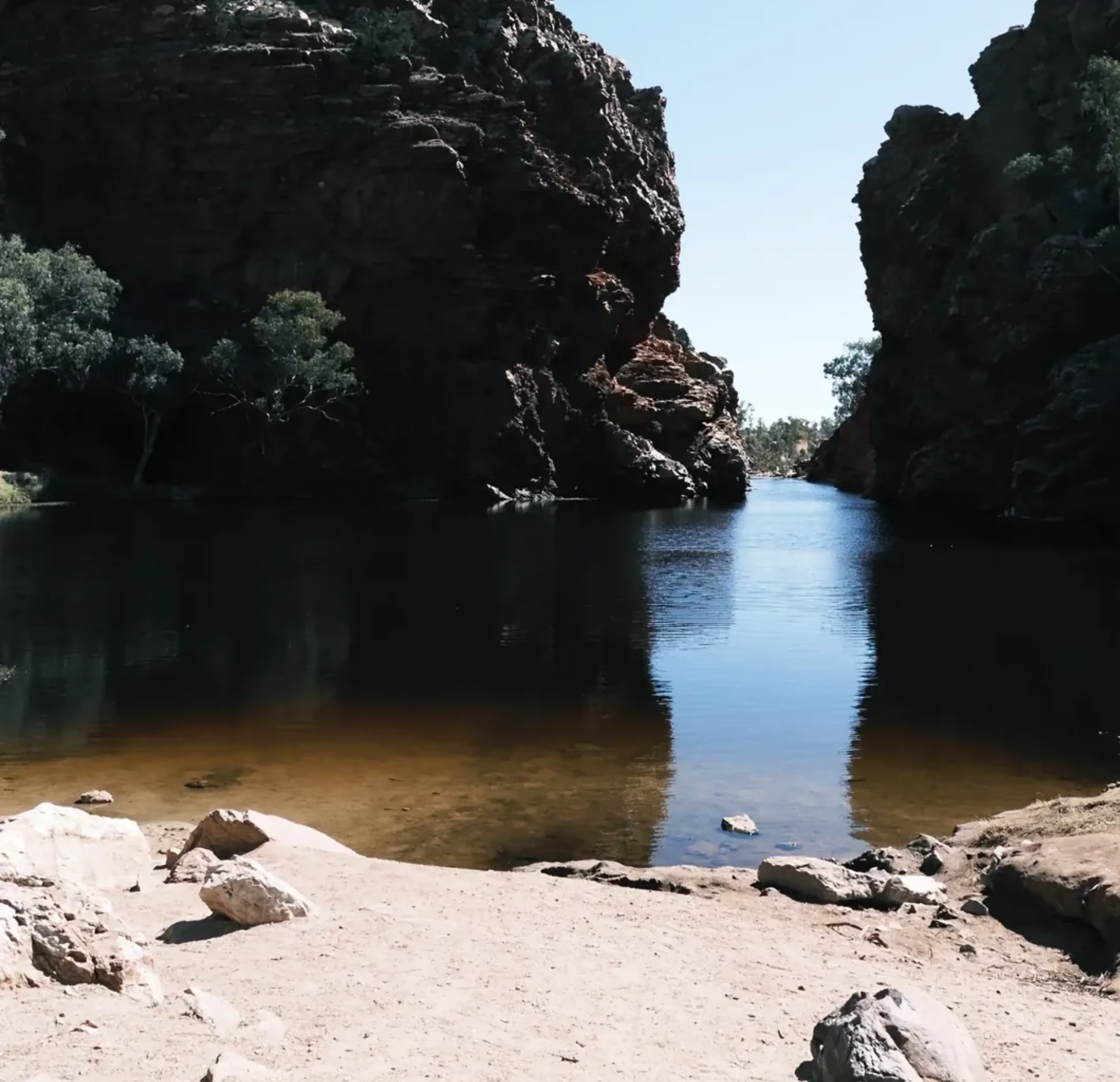
Water doesn’t just sit around in the desert by accident – it’s been tracked and recorded. In the MacDonnell Ranges, long-term pools form where the creek bed narrows, and the rock face provides some shade, slowing evaporation. Once you get the hang of that, the landscape stops looking empty and desolate and starts showing you where the water is hiding.
This is why the western end of the West MacDonnell Ranges keeps delivering the goods long after the flatlands dry out.
Being A Land Reader, Not A Screen Chaser
I don’t spend my time staring at a screen. I read the land:
- Narrow gorges leading into broad valleys
- South-facing rock walls that block the sun
- Creek bends where the water slows and gets deeper
And then there’s the little signs you get from trees – a leaning ghost gum or a dense patch of spinifex grass often means long-term moisture. Not some fancy poetry – just good old-fashioned fieldwork.
Using Famous Places as Starting Points, Not Endpoints
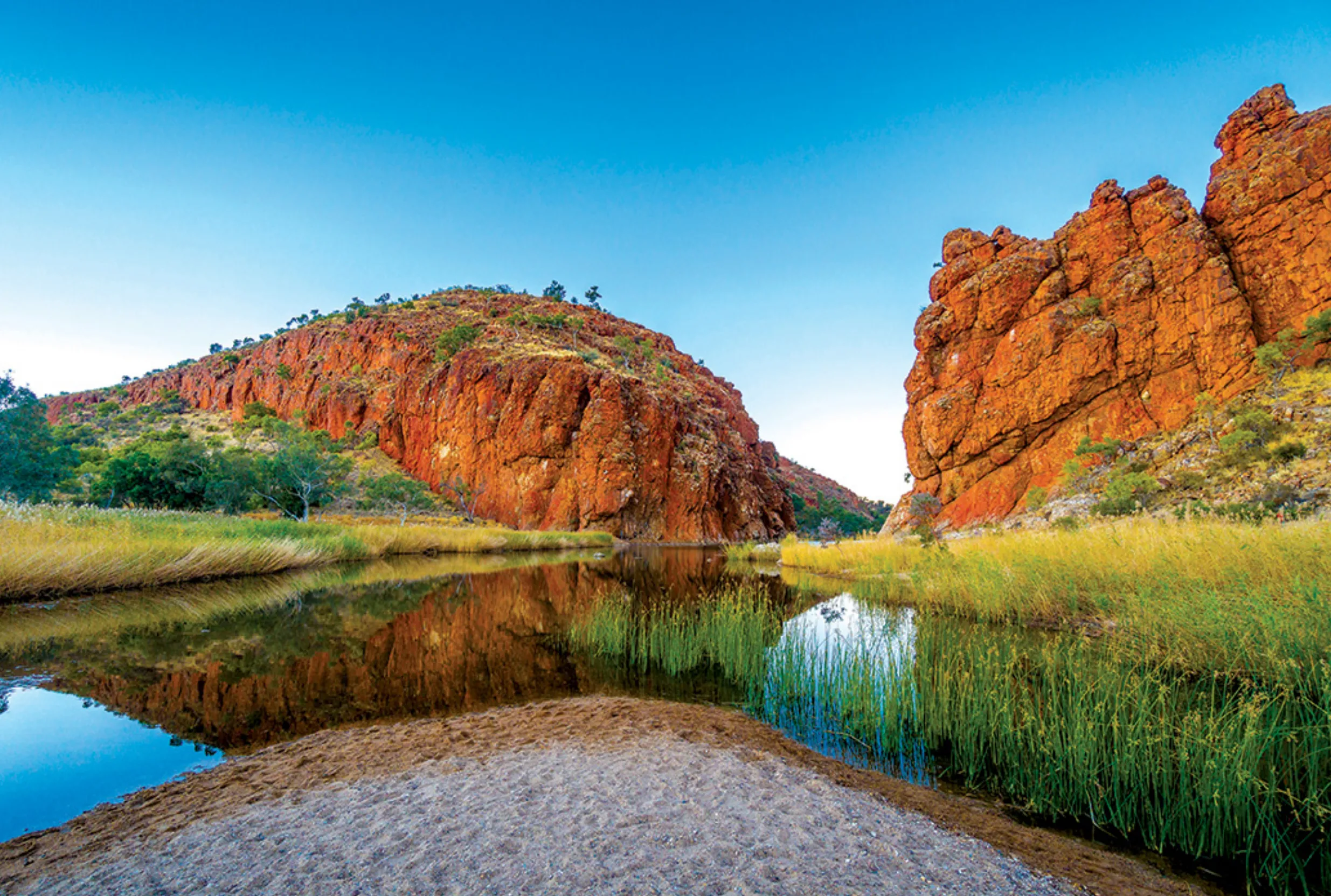
You’ll see places like Ormiston Gorge and Ellery Creek Big Hole on every itinerary. They’re inside a national park, easy to get to and usually hold water. Trouble is, most people stop there. They’re missing the point that these places are actually gateways to a quieter country. Walk a bit further past the main pool, follow the creek upstream, and you’ll pretty much have the place to yourself.
I use the same thinking when I’m helping friends plan a self-guided trip or when I’m comparing notes with other operators like Wildlife Tours – we all know the magic often starts once the crowds give up and head for home.
Timing Is Everything in Central Australia
The timing and location of your trip to the Red Centre make all the difference. A pool that’s perfect in July might be ankle-deep by October, and that’s not bad luck – it’s just the desert behaving normally.
According to the Northern Territory Parks & Wildlife data, a whopping 70% of smaller outback waterholes dry up by late spring, even in a normal year. That says it all really – most of the time you’re either in for a treat or you’re going to strike out.
The Seasonal Scorecard
- April to August: deep, clear water is what you can expect
- September: the pools are starting to shrink, but are still swimmable
- October and onwards: it’s a bit hit-and-miss, and it’s often muddy
That’s why so many of the structured red centre tours run in the winter months – not because it’s fashionable, but because the water lasts for a bit longer then.
Maps Still Matter An awful lot more than Apps
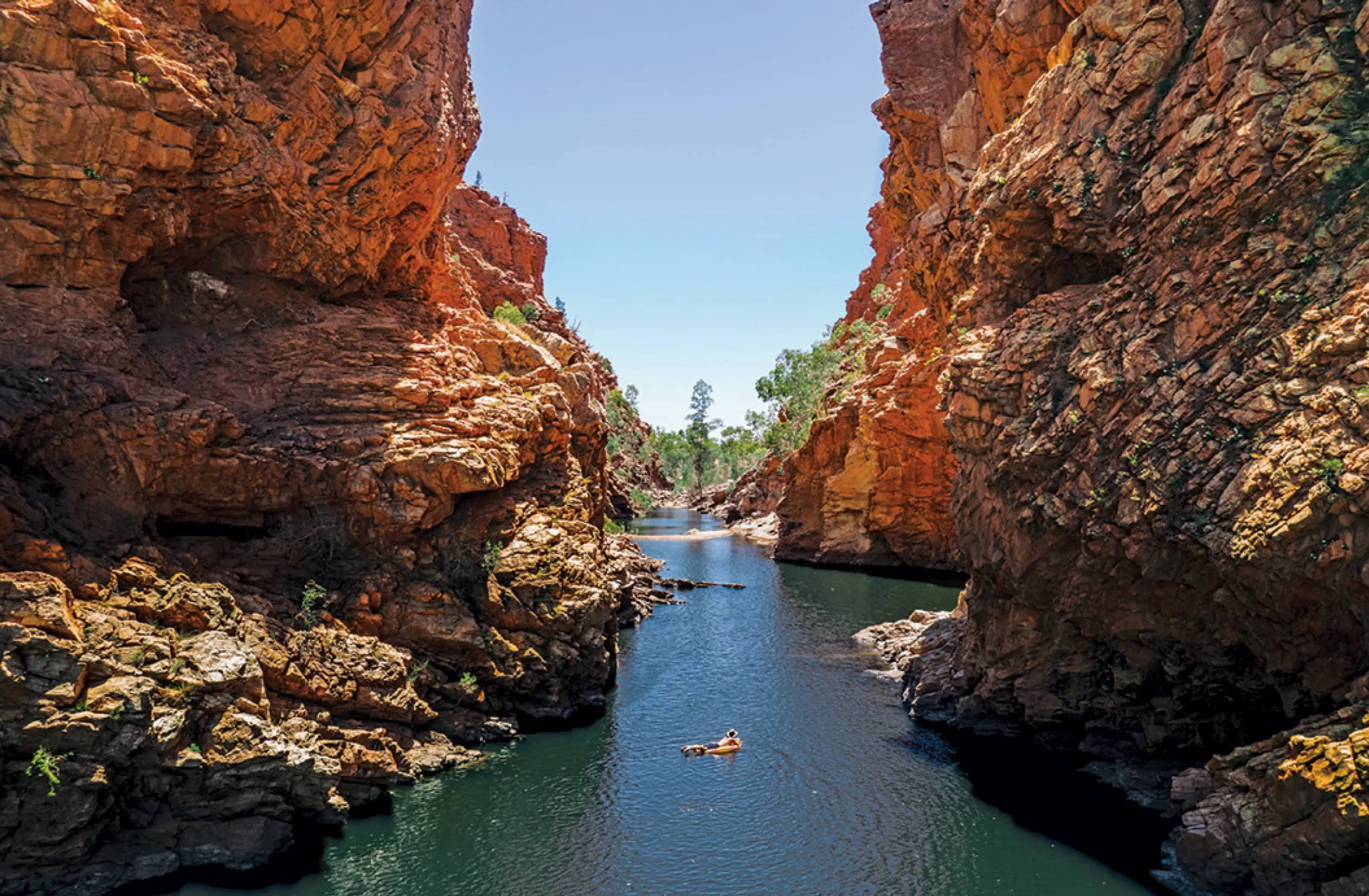
Reception drops like a stone once you get out of town along Larapinta Drive or make your way to the trailheads on the Larapinta Trail. I always carry a good old paper map & cross-check with satellite images to make sure I’m headed in the right direction before deciding to set off on a walk.
When you’re venturing beyond signed tracks to places like Redbank Gorge, Glen Helen Gorge, or Serpentine Gorge, navigations a lifesaver — not a luxury. And let’s be honest, sometimes things can go pear-shaped.
A sat phone or personal locator beacon (PLB) is pretty much standard issue for me. Not because things always go wrong, but because out here in the middle of nowhere, help’s not exactly just around the corner.
Cultural Respect Is An Essential Part Of Route Planning
Some waterholes are quiet because they’re not open to the public. Others are right next to sites that are super important to Aboriginal culture and the stories that go with them. You need to know the history, or you just shouldn’t go.
Places near Standley Chasm, the Ochre Pits, Simpsons Gap and Palm Valley all have pretty clear guidelines – pay attention to them. Sacred sites aren’t there to make things easy for tourists, you know.
If you want to get a proper understanding of the stories behind the place, there are heaps of good places to learn about it without putting the fragile sites under any more pressure – like Desert Park, Araluen Cultural Centre and the Territory Arts Trail. And trust me, respecting Aboriginal art and rock art means leaving it just as you found it.
What I Actually Carry On a Waterhole Walk
Experience teaches you what to pack, not what you take out of the bag. A casual stroll can turn into a longer one in no time if the weather turns nasty or the tracks start to fade.
I wouldn’t dream of heading out without:
- At least 3 litres of water to keep me going
- A few long sleeves to keep the sun off and the scrub off my skin
- A backup navigation system and some basic first aid supplies in case of an emergency
- A clear plan for getting back before dark
How Distance Filters Crowds Better Than Secrecy
You don’t need a secret map to find the quiet spots. You just need to be willing to put in the effort. Most of the best swims are just far enough from the Stuart Highway to keep the day trippers out.
From my own notes on walking at Owen Springs and near Ross River Homestead, I’ve found that there’s a pretty clear pattern here:
| Distance From Access | Crowd Levels | Water Reliability | Effort Required |
|---|---|---|---|
| Under 500 metres | High | Variable | Easy |
| 500 m – 1 km | Medium | Moderate | Steady walk |
| 1–3 km | Low | High | Earned |
That final category is often where the clear-as-day swims hide themselves.
Reading the Weather Before It Becomes a Big Problem
Flash flooding is rare – but it’s real. Ive seen completely dry creek beds turn into raging rivers with storms that were all but invisible – just the distant rumble of thunder echoing off the ranges.
If you see clouds building over the ridgelines, you need to reassess your plans. And if the humidity is suddenly going through the roof while the wind drops to almost nothing, it’s time to get moving early. The Red Centre gives you plenty of warning – you just need to actually pay attention.
When Solo Exploring Adds Up
I’m comfortable walking on my own in these places because I know the land and my own limits pretty well. If you’re new to remote central Australia, though, it makes much more sense to go with a mate.
There’s no point in trying to look tough by going it alone. A cold swim tastes just as good when you’ve got a friend to share it with – and you’ve got each other’s backs.
One thing to bear in mind: most national parks don’t allow assistance dogs – like guide dogs or hearing dogs – on their walking tracks. Check current rules before you head out if animal access is going to be a problem.
Why I’m Still a Fan of Doing It This Way
Because quiet is a big part of the experience. Because water after a long dusty walk feels an awful lot better if you’ve earned it. And because rushing through the Red Centre just isn’t going to improve it for you.
Now, I’m not saying there’s anything wrong with organised tours – operators like Wildlife Tours do excellent work introducing people to the region. But these slower days – walking on your own – that’s how you really start to understand why red centre tours exist in the first place.
The Takeaway After All These Years On These Tracks
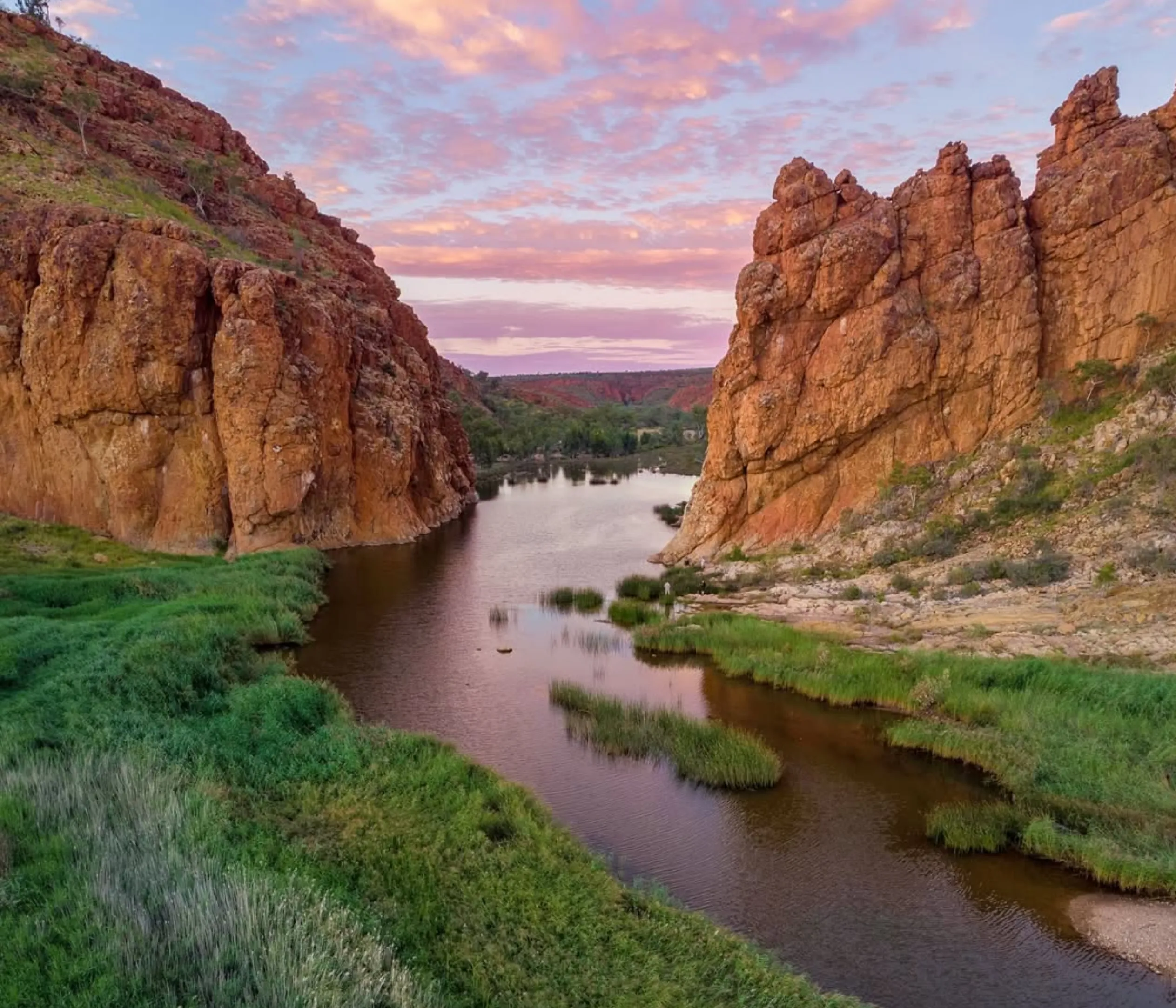
You don’t need a guide to find water near Alice – you just need some knowledge, a bit of timing, and a healthy respect for the Country itself. Learn how the MacDonnell Ranges can trap the shade for you, walk past the obvious spots – and accept that some days just won’t deliver a swim. When it does all come together, though, the reward is that wonderful silence – cold water – and a connection that no speeding through on a coach can give you.
If youve got a stretch of creek or a quiet little soak worth protecting, just keep it that way – or share it carefully with others. That’s how this country stays wild.
Written by Paul Beames, who’s still learning to appreciate every swim, still walking past the signposts like some sort of madman.
FAQ
Is Swimming In Outback Waterholes Safe near Alice Springs?
Generally, yes, if the conditions are right. But if there’s been heavy rain, just be a bit more careful – avoid swimming, check the footing when you’re rock hopping, and always make sure you know how deep and clear the water is before you get in.
Do You Need a Four-Wheel Drive To Get To These Places?
Not always – a lot of the access points are sealed or have good gravel. But if it’s been raining, just be ready for things to change quickly. Keep an eye on the road reports before you head out.
Are Crocodiles A Risk In Central Australia?
No – they live way up north and don’t live in Central Australia or the Red Centre at all.
When Is The Best Time of Day To Go Looking For Water?
First thing in the morning – the air is a bit cooler, the light is better for reading the terrain, and there are fewer people on the tracks.
Can Waterhole Walks Be Combined With Other Alice Springs Highlights?
Definitely – try combining a swim with a visit to Telegraph Station, Rainbow Valley, Chambers Pillar, or a bit of the Larapinta Trail for a day that mixes walking, history, and landscape.